
Every homeowner in Salisbury eventually faces the same frustrating discovery small holes, cracks, or dents appearing in previously pristine walls. Perhaps you’ve just removed artwork and found the picture hooks left unsightly holes. Maybe you’ve noticed hairline cracks creeping across your ceiling, or discovered damage where furniture bumped against the plaster. These imperfections seem minor individually, but collectively they make your entire home look tired and neglected. The question most Wiltshire homeowners ask themselves: can I fix this myself, or should I call professional plasterers?
The encouraging answer is that many wall repairs fall comfortably within DIY capabilities when you understand proper techniques and use appropriate materials. However, knowing the difference between repairs you can confidently tackle and damage requiring professional expertise prevents wasted time, money, and frustration. At Ana Painting and Decorating, we’ve repaired countless walls throughout Salisbury properties, and we’ve learned that successful repairs depend far more on understanding the process than possessing special skills. Let’s explore how to assess, repair, and finish wall damage to achieve results that blend seamlessly with surrounding surfaces.
Understanding What You’re Actually Repairing
Before gathering tools and materials, understanding your wall construction guides appropriate repair approaches. Most Salisbury homes built after the 1950s feature plasterboard walls large gypsum boards fixed to timber studs, then covered with thin finishing plaster creating smooth surfaces. Older properties, particularly period homes throughout Wiltshire’s historic areas, often have traditional lath and plaster construction where thin wooden strips support multiple layers of lime or gypsum plaster.
This distinction matters enormously because repair techniques differ significantly between construction types. Plasterboard repairs typically involve patching damaged board sections, while traditional plaster repairs focus on matching existing plaster composition and application methods. Examining damage reveals construction type plasterboard shows paper backing when scratched, while traditional plaster exposes multiple layers often with visible lath strips behind deeper damage.
The nature of damage equally influences repair approach. Hairline cracks often result from natural building settlement or temperature fluctuations, requiring different treatment than impact damage creating actual holes. Surface preparation becomes absolutely crucial, as repairs can only succeed when properly bonded to surrounding materials. Water damage introduces additional complexity, as underlying moisture problems must be addressed before cosmetic repairs prevent future deterioration.
Essential Tools and Materials for Successful Wall Repairs
Professional-quality repairs require remarkably few specialized tools, though having the right equipment genuinely makes the difference between frustrating struggles and smooth, confident work. For small repairs, a filling knife or putty knife ranging from four to six inches wide provides the primary tool for applying and smoothing filler. Wider trowels become necessary for larger repairs requiring more plaster application. Fine-grit sandpaper or sanding blocks smooth dried repairs, while clean cloths or sponges facilitate surface preparation and cleanup.
Material selection proves equally critical to success. For small holes, hairline cracks, and minor dents, ready-mixed fillers work beautifully, offering convenience and appropriate strength for minor repairs. These products require no mixing, remain workable for extended periods, and shrink minimally during drying. For deeper repairs or larger damaged areas, powder-based fillers or proper plastering compounds provide superior strength and durability, though they require mixing to correct consistency and work within limited timeframes before setting begins.
Modern finishing plasters are designed for application within sixty minutes of mixing for optimal workability, emphasizing the importance of mixing only quantities you can apply before setting occurs. This constraint particularly affects beginners who naturally work more slowly than experienced plasterers. Starting with smaller batches prevents waste while building confidence and speed.
Additional materials include primer or PVA solution for sealing repairs before painting, mesh tape for reinforcing wider cracks, and paint matching your existing wall color. Many Salisbury homeowners underestimate the importance of quality primers they create uniform surfaces preventing patchy paint absorption that makes repairs obvious despite smooth finishing.
Repairing Small Holes and Minor Damage
Small nail holes, picture hook damage, and minor dents represent the most common wall repairs throughout Wiltshire homes, fortunately also proving the most straightforward to address successfully. The process begins with surface preparation removing any loose plaster or paint around the damage using a scraper or utility knife. Clean the area with a damp cloth to remove dust and debris, as contaminated surfaces prevent proper adhesion regardless of filler quality.
For genuinely small holes like those left by picture hooks, ready-mixed filler applied with a filling knife provides the simplest solution. Load a small amount onto your knife, press firmly into the hole ensuring complete filling, then scrape across the surface removing excess while leaving the hole filled slightly proud of the surrounding wall. This slight overfilling compensates for shrinkage during drying, preventing the depression that forms when filler is applied perfectly flush then shrinks below the surface as moisture evaporates.
Allow the compound to dry completely according to manufacturer specifications before sanding rushing this stage compromises results as premature sanding creates rough, uneven surfaces rather than smooth finishes. Drying times vary from thirty minutes for small applications to several hours for deeper fills, with humidity and ventilation affecting speed. Once completely dry, sand gently using fine-grit sandpaper until the repair feels perfectly flush with surrounding wall, wiping away sanding dust before painting.
For slightly larger damage or areas requiring more substantial filling, applying multiple thin layers rather than one thick application prevents cracking and ensures proper drying throughout the repair. Each layer requires complete drying before the next application, making this approach more time-consuming but significantly more reliable than attempting to fill deep damage in single applications that crack as they dry.
Addressing Cracks in Plaster Walls
Cracks develop in plaster for various reasons, from natural building settlement to temperature fluctuations causing expansion and contraction. Understanding crack causes helps determine appropriate repair approaches and whether underlying issues require attention before cosmetic repairs proceed. Fine hairline cracks often result from minor movement or plaster age, while wider cracks or those showing progressive growth may indicate structural movement requiring professional assessment before repair.
The repair process begins by widening fine cracks slightly using a utility knife or scraper this counterintuitive step actually improves repair quality by creating space for filler to properly bond rather than sitting superficially across narrow gaps. Remove any loose material, then clean thoroughly removing all dust that would prevent adhesion. Dampen the crack area before adding filler to improve adhesion, as overly dry plaster absorbs moisture from filler too quickly, weakening the bond.
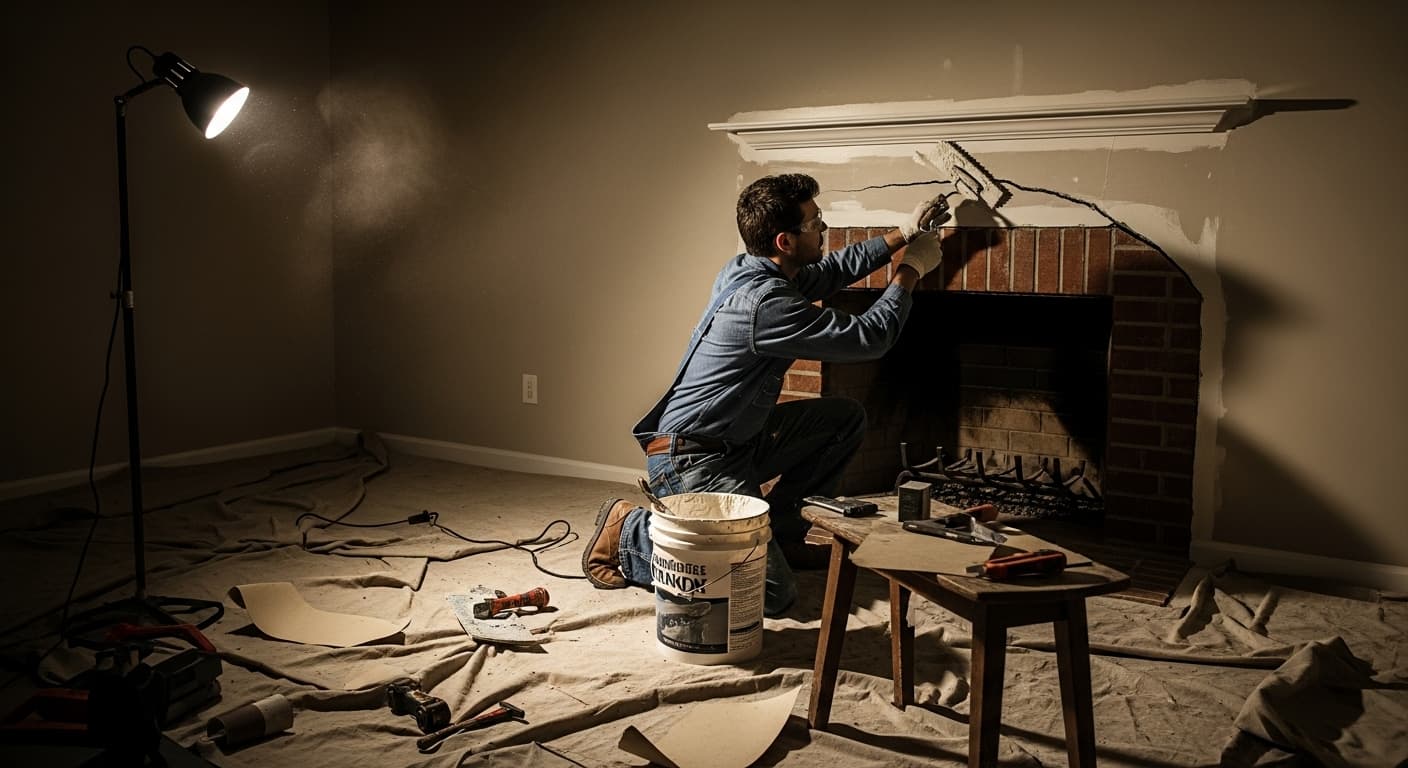
Apply flexible filler using a filling knife, pressing firmly into the widened crack ensuring complete filling throughout its depth. Draw the knife across the crack removing excess while leaving a slight raised bead along the repair. For wider cracks or those with history of recurring, applying mesh tape over the filled crack before final smoothing coat prevents reopening by reinforcing the repair and distributing stress across a wider area.
Once the initial fill dries completely, apply a second thin coat smoothing over any remaining imperfections and feathering edges so the repair blends seamlessly into surrounding surfaces. This feathering technique gradually thinning the filler as you move away from the actual damage prevents visible ridges marking repair boundaries. After complete drying, sand smooth and apply primer before painting to ensure uniform finish across repaired and original surfaces.
Professional plasterers emphasize that cracks repeatedly reopening despite proper repair indicate underlying problems requiring attention. If cracks reappear in the same locations, structural assessment by qualified professionals prevents ongoing cosmetic repairs addressing symptoms while ignoring causes.
Repairing Larger Holes and Damaged Plasterboard
Larger holes resulting from doorknob impacts, accidental damage, or removal of fixtures require more substantial repair approaches than simple filling. The repair can involve either cutting a plasterboard patch slightly smaller than the damaged area and fixing it with drywall adhesive, or applying multiple coats of plaster to rebuild the damaged section. The plasterboard method typically proves easier for beginners, while plastering approaches suit those comfortable with traditional techniques.
For plasterboard repairs, begin by cutting the damaged area into a neat square or rectangle using a utility knife, creating clean edges that facilitate patching. Cut a plasterboard section slightly smaller than your opening—this allows the patch to sit recessed from the surrounding wall surface, creating space for finishing plaster that brings the repair flush. Secure the patch using drywall adhesive applied in small dabs around edges, ensuring the patch sits approximately two millimeters below the surrounding surface.
Once adhesive dries, apply mesh tape across all joints where the patch meets existing plasterboard. This tape reinforces repairs preventing cracking along seams as the building moves slightly over time. Cover the entire patched area including tape with finishing plaster, working in thin layers rather than attempting to achieve final smoothness in single applications. Professional plasterers recommend allowing twenty-four hours drying time between coats for optimal results, though this extended timeline frustrates homeowners eager to complete repairs quickly.
The plastering method involves applying backing plaster (bonding or browning coat) directly into the hole, building up layers until reaching approximately two millimeters below the surrounding surface. Scratch the backing coat with a nail or similar tool to help the finishing coat adhere properly. Once backing plaster dries completely, apply finishing plaster bringing the repair perfectly flush with surrounding surfaces, then polish smooth using a dampened trowel creating seamless transitions between repair and original plaster.
Both methods require patient layering rather than rushing to completion, with thorough drying between stages absolutely essential to preventing cracks, shrinkage, and failed repairs that simply waste time and materials.
Surface Finishing and Painting for Invisible Repairs
Even perfectly executed filling and plastering becomes obvious when finishing doesn’t receive equal attention. The key to invisible repairs lies in creating surfaces identical in texture and appearance to surrounding walls, requiring careful sanding, appropriate priming, and thoughtful paint application.
Once final coats dry completely—typically three to seven days for substantial plaster repairs lightly sand any minor imperfections using fine-grit sandpaper. Work gently to smooth without creating depressions, focusing on blending repair edges seamlessly into surrounding surfaces. Excessive sanding creates obvious flat spots that catch light differently than textured surroundings, making repairs visible despite smooth finishing.
Clean sanded surfaces thoroughly removing all dust before priming. Apply a mist coat of watered-down emulsion paint or proper primer, as this seals porous plaster preventing patchy paint absorption that makes repairs obvious. This step proves crucial yet frequently skipped by homeowners eager to complete projects, resulting in repaired areas appearing as lighter or darker patches despite using identical paint colors.
Final painting requires patience and appropriate technique. Rather than painting only the repaired area, extend coverage across entire walls or at least to natural breaks like corners or doorways. Painting only patches creates obvious sheen differences even when colors match perfectly, as new paint appears shinier than aged existing paint. When whole-wall painting isn’t practical, feather paint edges by gradually reducing pressure as you move away from repairs, creating gradual transitions rather than stark boundaries.
For textured walls, matching existing texture presents additional challenges. Some texture patterns can be replicated using sponges, brushes, or specialized tools, while complex textures may require professional replication. In these cases, consulting experienced decorators prevents obvious smooth patches disrupting textured surfaces.
When to Call Professional Plasterers
Understanding DIY capabilities equally involves recognizing situations requiring professional expertise. Extensive damage covering large wall sections, blown plaster separating from underlying surfaces, or structural cracks indicating building movement all warrant professional assessment and repair. Blown plaster sounds hollow when tapped and flexes when pressed, indicating it has detached from the wall behind and requires proper reattachment or replacement rather than simple surface repairs.
Older Wiltshire properties with traditional lath and plaster construction present additional complications. Period-appropriate lime plaster repairs require specific materials and techniques ensuring compatibility with existing plaster, preventing problems arising when incompatible modern materials cure at different rates or respond differently to moisture and temperature fluctuations. Conservation-grade repairs maintain property value while respecting architectural heritage.
Time constraints equally factor into professional decisions. DIY repairs proceed more slowly than professional work, with multiple drying stages extending projects across several days or even weeks. When timing matters perhaps preparing properties for sale or rental professional plasterers complete work efficiently while ensuring quality results that enhance rather than compromise property presentation.
At Ana Painting and Decorating, we’ve built our Salisbury reputation on delivering flawless wall repairs throughout Wiltshire properties. We bring appropriate materials, professional tools, and years of experience ensuring repairs blend invisibly with surrounding surfaces. Whether addressing minor damage before redecorating or tackling substantial plaster restoration in period properties, we deliver craftsmanship that stands the test of time.
Transform Your Salisbury Home with Expert Wall Repairs
Wall damage needn’t mean compromised appearance or costly whole-room replastering. Understanding proper repair techniques, using appropriate materials, and exercising patience through drying stages enables capable DIY repairs that restore smooth, beautiful wall surfaces. However, recognizing when damage exceeds DIY capabilities prevents frustration and ensures proper repairs that genuinely solve problems rather than temporarily masking symptoms.
Whether you’re confident tackling repairs yourself or prefer professional expertise ensuring flawless results, understanding these processes helps make informed decisions about maintaining your Wiltshire home’s interior condition. Ready to restore perfect wall surfaces throughout your property? Contact Ana Painting and Decorating today for professional plastering services, expert wall repairs, and comprehensive interior painting that transforms damaged walls into beautiful, seamless surfaces you’ll love for years to come.