
When you think about refreshing your Salisbury home, your mind probably jumps to wall colors, furniture arrangements, or perhaps new curtains. But there’s one design element that literally grounds your entire space and often gets overlooked until it’s desperately worn your flooring. At AnA Painting and Decorating, we’ve witnessed firsthand how the right flooring choice can completely revolutionize a room’s atmosphere, turning a cold, unwelcoming space into a warm sanctuary or transforming a dated interior into a contemporary showpiece.
The flooring landscape has shifted dramatically as we move through 2026, with homeowners across Wiltshire increasingly treating floors as a genuine “sixth wall” a crucial design element deserving the same creative attention as any other surface in your home. Whether you’re planning a complete renovation of your property in Amesbury or simply refreshing a single room in your Salisbury home, understanding your flooring options empowers you to make choices that balance aesthetic appeal, practical durability, and budget considerations. Let’s explore fifteen exceptional flooring ideas that can bring your vision to life.
1. Painted Wooden Floors: The 2026 Trend Taking Salisbury by Storm
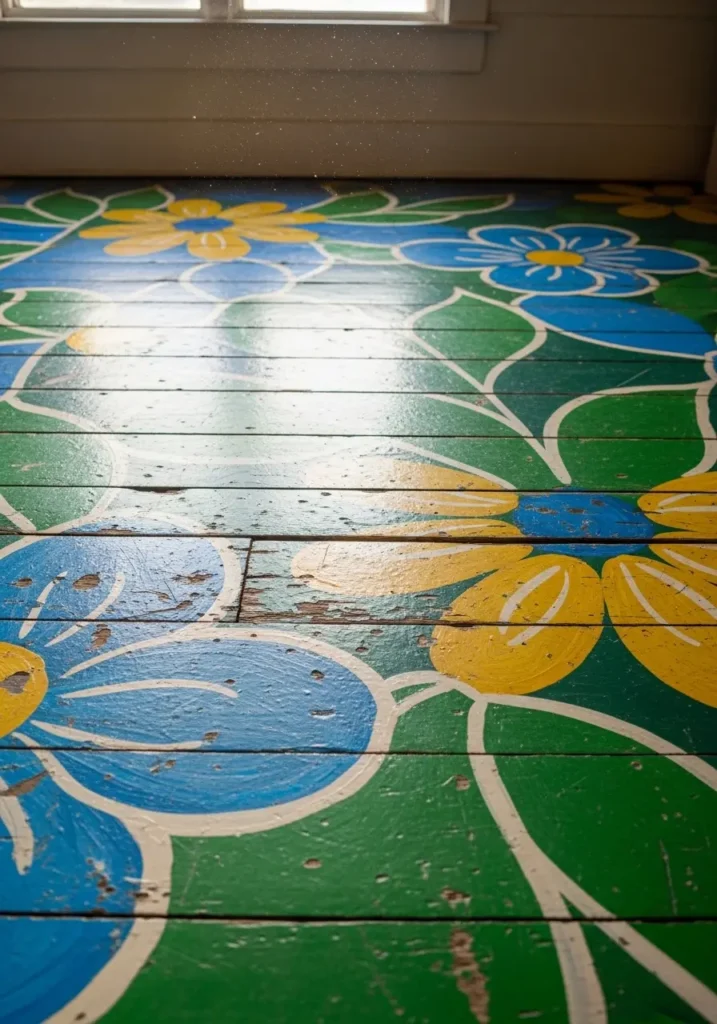
Painted floors represent one of the most exciting developments in interior design for 2026, offering homeowners an incredibly cost-effective way to achieve dramatic transformations. This approach treats your existing floorboards as a blank canvas, allowing you to introduce color, pattern, and personality underfoot without the significant expense of installing entirely new flooring materials.
The beauty of painted floors lies in their remarkable versatility. You might choose a sophisticated single color that extends your wall palette downward, creating what designers call “color drenching” an immersive experience where your chosen hue envelops the entire room from ceiling to floor. Alternatively, you could embrace bold geometric patterns like checkerboards, stripes, or even intricate stenciled designs that transform your floor into genuine artwork. Many Wiltshire homeowners are using painted floors to define distinct zones within open-plan spaces, painting a deep charcoal rectangle beneath the dining table while leaving surrounding areas in natural wood tones.
The practical advantages extend beyond aesthetics. Painted floors prove particularly valuable in period properties throughout Salisbury where original floorboards may show decades of wear but remain structurally sound. Rather than hiding these characterful boards beneath carpet or replacing them entirely, painting celebrates their presence while addressing cosmetic imperfections. The process requires thorough preparation sanding to remove old finishes, filling gaps and cracks, applying appropriate primers, and using floor-specific paints formulated to withstand foot traffic. Professional application ensures durability, with proper topcoats protecting your painted surface for years of regular use.
Current 2026 color trends favor warm, inviting tones. Soft terracotta creates unexpected warmth in north-facing rooms, while deep forest greens bring sophisticated elegance to living spaces. For those seeking something truly distinctive, two-tone approaches combining rich chocolate browns with warm cream create striking visual impact while remaining practical enough to hide minor dirt and wear. The typical cost for professionally painting existing floorboards ranges from £400 to £800 for a standard room, making this one of the most budget-friendly transformation options available to Salisbury homeowners.
2. Engineered Oak Flooring: Timeless Beauty Meets Modern Practicality
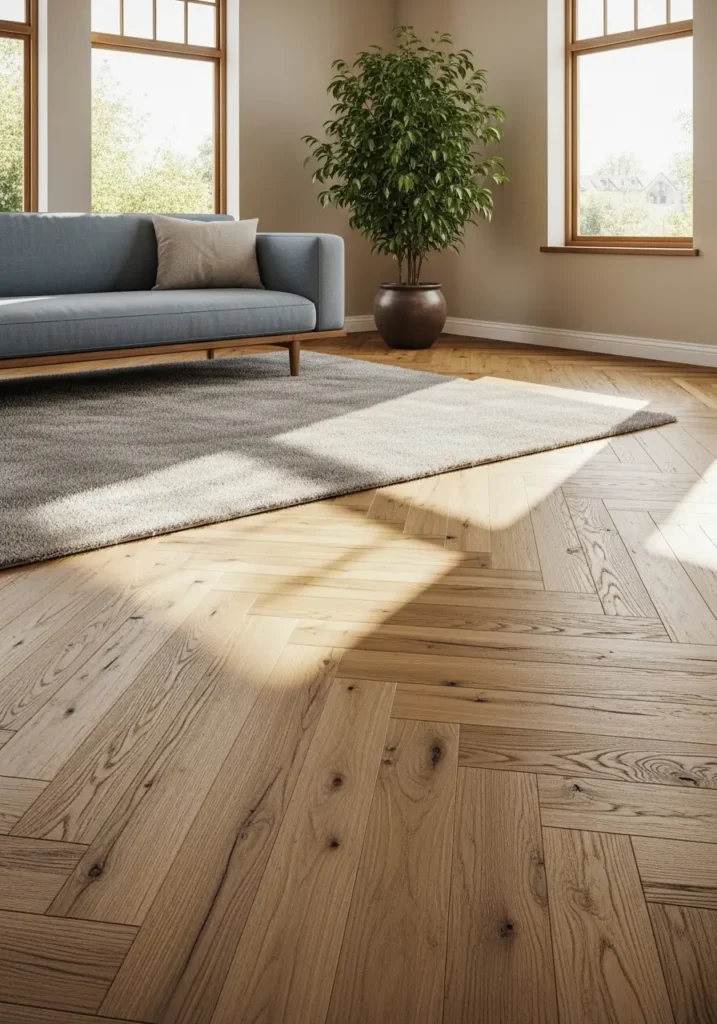
Engineered oak flooring has evolved significantly beyond its origins as a mere substitute for solid hardwood, now standing as a premium choice in its own right. This layered construction combines a genuine oak surface layer with a stable plywood or composite core, delivering the authentic appearance and feel of solid wood while offering superior dimensional stability that handles Wiltshire’s fluctuating humidity levels far better than traditional solid boards.
The aesthetic appeal of engineered oak proves genuinely timeless. Natural wood grain patterns ensure each plank carries unique character, creating floors that feel organic and alive rather than monotonously uniform. For 2026, the palette has shifted decisively away from the cool greys that dominated previous years. Contemporary oak finishes embrace warmer undertones—honey tones that glow golden in afternoon sunlight, rich caramel shades that add depth and coziness, and chestnut browns that ground a room with earthy sophistication. These warmer tones create harmonious backdrops for the muted greens, terracottas, and soft neutrals appearing throughout current interior design trends.
Beyond mere appearance, engineered oak delivers practical advantages that make it particularly suitable for Salisbury homes. The layered construction resists expansion and contraction that can cause solid wood to gap or buckle, while surface treatments like wire-brushing or hand-scraping add texture that conceals minor scratches and wear far better than smooth finishes. Modern manufacturing techniques have produced remarkably realistic wood-effect surfaces, though nothing quite matches the authentic depth and variation of genuine oak veneer catching natural light throughout the day.
Installation versatility represents another significant advantage. Engineered oak works beautifully over underfloor heating systems, something solid wood cannot typically accommodate. It can be installed using various methods—fully glued for maximum stability, floated over underlay for easier future replacement, or even clicked together using modern locking systems that make installation remarkably straightforward. Professional installation for a standard 20 square meter room typically costs between £800 and £1,400, including both materials and labor, positioning engineered oak as a mid-to-premium investment that delivers exceptional longevity and enduring visual appeal.
3. Luxury Vinyl Plank (LVP): Waterproof Wonder for Modern Living
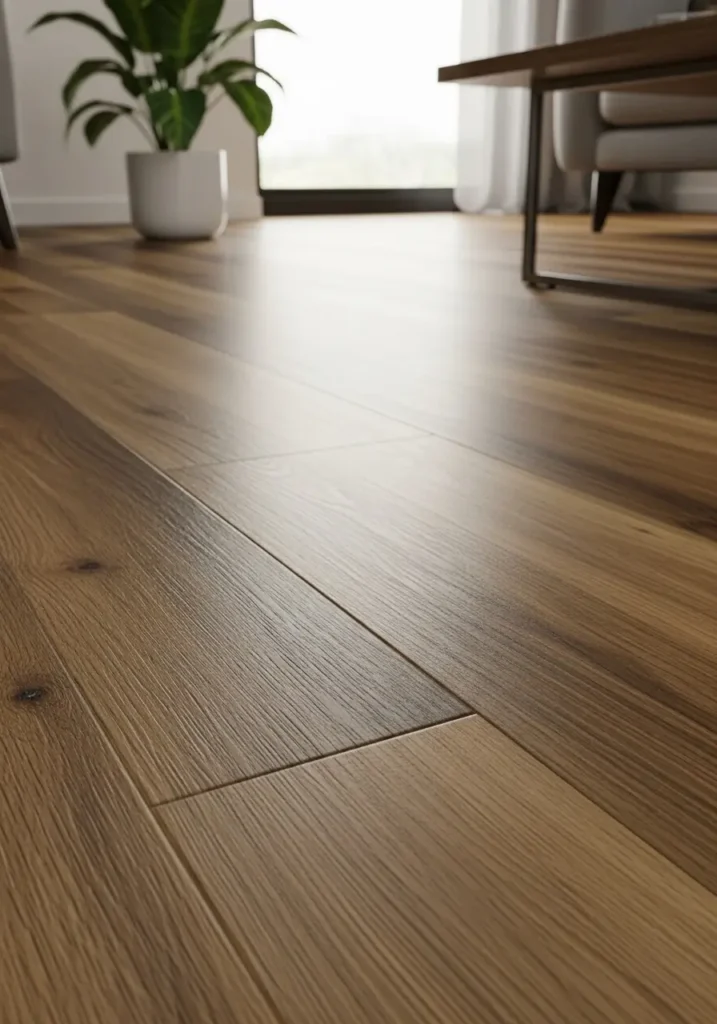
Luxury vinyl plank flooring has undergone a remarkable transformation in recent years, evolving from an obviously synthetic budget option into a genuinely sophisticated flooring solution that even discerning homeowners struggle to distinguish from real hardwood. The technological advances driving this evolution have produced LVP that captures the subtle grain patterns, natural color variations, and even the tactile texture of authentic wood, all while delivering waterproof performance that makes it ideal for kitchens, bathrooms, and other moisture-prone areas throughout your Wiltshire home.
The waterproof characteristic represents LVP’s standout advantage, particularly valuable for busy family homes in Salisbury where spills, muddy footprints, and general moisture remain daily realities. Unlike traditional hardwood that swells and damages when exposed to water, quality LVP withstands prolonged moisture contact without warping, staining, or deteriorating. This makes it the practical choice for ground-floor kitchens, family bathrooms, utility rooms, and even conservatories where temperature fluctuations and condensation might destroy natural materials.
Modern LVP achieves its realistic appearance through sophisticated manufacturing processes. High-resolution photography captures actual wood grain patterns, which are then printed onto the vinyl surface using advanced techniques that create genuine depth rather than flat, obviously printed patterns. Textured surfaces are embossed directly into the material, synchronized precisely with the visual grain pattern so your fingers feel the grooves and ridges your eyes perceive. This “embossed-in-register” technology creates surfaces so convincing that most people cannot identify them as vinyl without close inspection.
The practical advantages extend well beyond water resistance. LVP proves remarkably comfortable underfoot, offering slight cushioning that reduces fatigue during extended standing—a genuine benefit in kitchens where you might spend hours preparing meals. Maintenance requirements remain minimal, with regular sweeping and occasional damp mopping keeping floors looking pristine for years. Scratch resistance has improved dramatically in current generation products, with protective wear layers withstanding pet claws, furniture dragging, and general household abuse that would mark softer materials.
Installation typically utilizes click-lock systems that join planks together without adhesives, creating floating floors that can be laid over virtually any smooth, level subfloor. This approach makes installation quicker and more affordable than glued-down alternatives, with professional fitting for a 20 square meter room typically costing £600 to £1,000 including mid-range quality materials. For Salisbury homeowners seeking the appearance of hardwood combined with family-friendly durability and moisture resistance, LVP represents an increasingly popular and genuinely practical solution.
4. Ceramic and Porcelain Tiles: Bringing Indoor Elegance Throughout Your Home
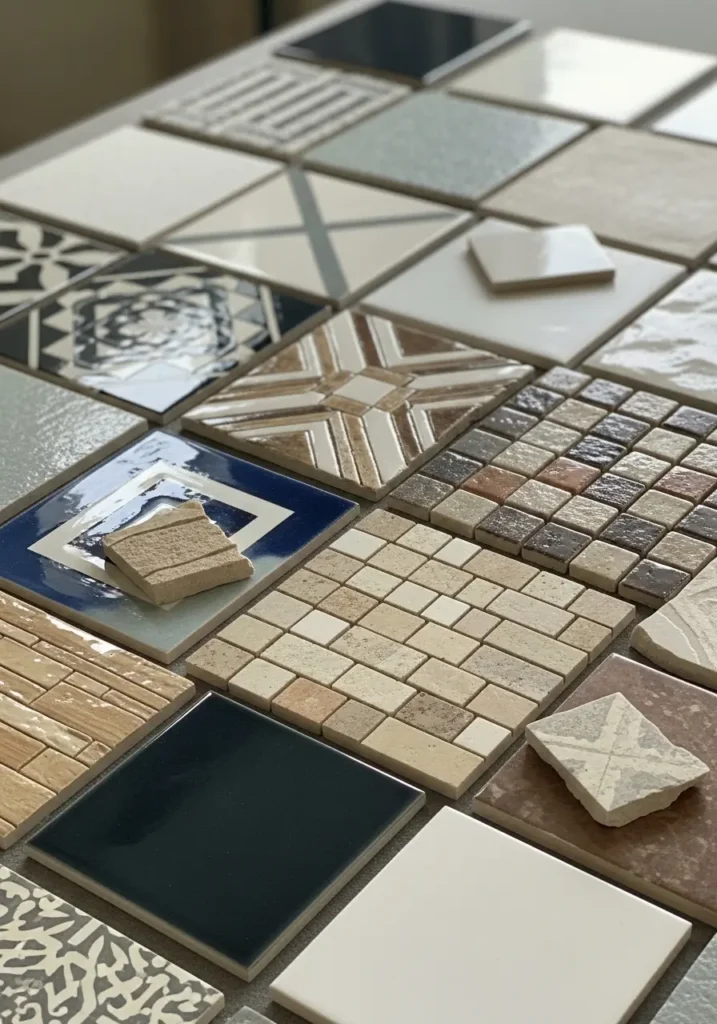
Ceramic and porcelain tiles have journeyed far beyond their traditional bathroom and kitchen domains, increasingly appearing in hallways, living areas, and even bedrooms as homeowners discover their remarkable versatility and enduring beauty. The distinction between ceramic and porcelain matters primarily for performance—porcelain’s denser composition makes it harder, less porous, and more frost-resistant, though both materials deliver excellent durability for indoor applications throughout Wiltshire properties.
The aesthetic possibilities with tile prove virtually limitless. Large-format tiles measuring 600mm x 600mm or even 600mm x 1200mm create sleek, contemporary looks with minimal grout lines, making spaces appear larger and more cohesive. These oversized tiles work particularly beautifully in open-plan areas, where their uninterrupted expanse creates visual flow that smaller tiles cannot match. Conversely, smaller format tiles arranged in geometric patterns—herringbone, chevron, basket weave—introduce movement and visual interest that transforms floors into genuine focal points.
For 2026, tile design embraces both bold statement patterns and sophisticated natural stone effects. Encaustic-style tiles featuring intricate geometric or floral patterns inject personality and artisanal character into hallways and kitchens, creating floors that tell stories and reflect individual taste. These decorative tiles work beautifully as feature areas—perhaps a patterned tile “rug” beneath a dining table surrounded by plain tiles, or a decorative runner through a hallway flanked by simpler surroundings. Meanwhile, porcelain tiles that convincingly replicate marble, slate, travertine, or even concrete deliver the luxury appearance of natural stone without the maintenance challenges and at significantly lower cost.
The practical advantages of tile remain compelling. Properly installed ceramic and porcelain floors prove virtually indestructible, lasting decades without replacement. They resist staining, scratching, and fading, maintaining their original appearance through years of heavy traffic. Underfloor heating pairs beautifully with tile, as the material conducts and retains warmth efficiently, creating comfortable surfaces even in traditionally cold areas like bathrooms and kitchens. Cleaning requirements remain minimal—regular sweeping and occasional mopping with standard cleaning products keeps tiles looking pristine.
Installation costs vary considerably based on tile choice and pattern complexity. Basic large-format porcelain tiles professionally installed typically cost £40 to £70 per square meter including materials and labor, while premium natural stone-effect tiles or intricate patterned layouts can reach £80 to £120 per square meter. For a standard 15 square meter kitchen, homeowners should budget approximately £800 to £1,500 for quality porcelain tile installation. Despite the higher initial investment compared to some alternatives, the exceptional longevity and timeless appeal of tile flooring makes it a sound long-term choice for Salisbury properties.
5. Carpet: Warmth, Comfort, and Acoustic Benefits for Cozy Spaces
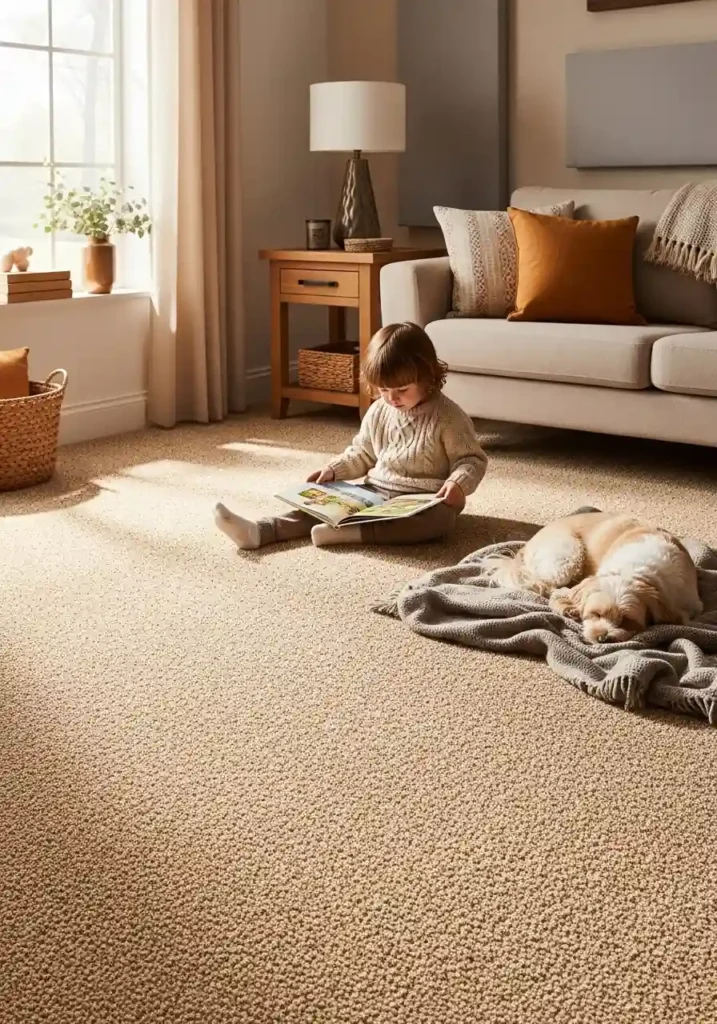
While hard flooring surfaces have dominated recent design trends, carpet maintains significant advantages that keep it relevant and desirable for specific applications throughout Salisbury homes. The unmatched comfort, warmth, and sound-absorbing properties of carpet make it particularly valuable in bedrooms, where soft surfaces underfoot create welcoming environments perfect for relaxation, and in living areas where acoustic dampening prevents sound from echoing through open spaces.
The sensory experience of carpet remains its primary appeal. Stepping onto plush carpet fibers creates immediate comfort that hard surfaces simply cannot replicate, particularly welcome on cold Wiltshire mornings when bare feet seek warmth. This physical comfort translates into psychological coziness—carpeted rooms feel more intimate and inviting, creating sanctuary-like atmospheres in private areas. For families with young children, carpet provides cushioning that makes floors safer play surfaces, reducing injury risk from falls while creating quieter environments as running feet make less noise than they would on hard flooring.
Modern carpet technology has addressed many traditional concerns about durability and maintenance. Stain-resistant treatments now come standard on quality carpets, preventing spills from permanently marking fibers. These treatments don’t create artificial barriers that wear away—they actually modify fiber chemistry to prevent liquids from bonding with carpet materials. Advanced synthetic fibers resist crushing and matting far better than older carpet generations, maintaining their appearance through years of regular foot traffic. Natural wool carpets, while more expensive, offer unparalleled resilience and luxury feel, developing beautiful patinas that improve rather than degrade over time.
The design landscape for carpet in 2026 moves beyond basic beiges and greys. Textured loop piles create visual interest through subtle pattern variations, while cut and loop combinations deliver more pronounced surface textures. Color-wise, the warmth trend affecting all flooring materials extends to carpet, with soft terracottas, muted sage greens, and rich caramel tones offering alternatives to traditional neutrals. These colors create backdrops that complement contemporary furniture while adding personality that pure neutrals cannot deliver.
Practical considerations include maintenance requirements and longevity. Quality carpets with proper underlay and professional installation can last 10 to 15 years in moderate-traffic areas, though high-traffic zones show wear more quickly. Regular vacuuming maintains appearance, while periodic professional deep cleaning refreshes fibers and removes embedded dirt that regular cleaning misses. Installation costs for mid-quality carpet including underlay typically range from £15 to £30 per square meter professionally installed, making it a cost-effective choice for covering large bedroom areas. For a standard 20 square meter bedroom, expect to invest £400 to £800 for quality carpet that delivers years of comfortable service.
6. Wide Plank Flooring: Contemporary Elegance Through Proportion
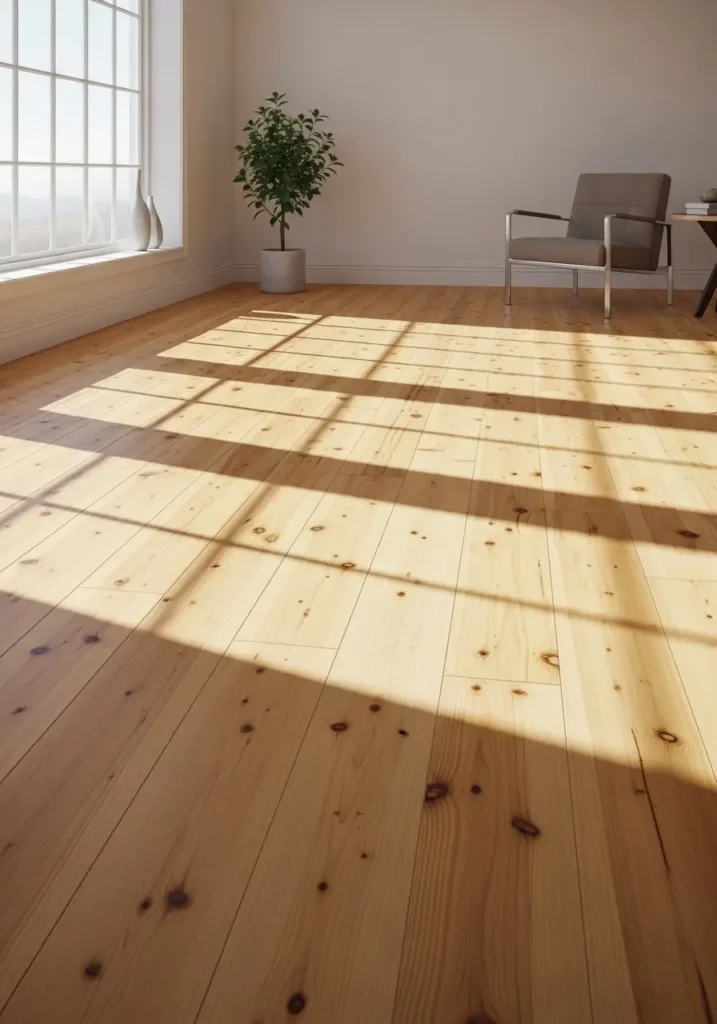
The shift toward wide plank flooring represents one of the most significant aesthetic developments in recent years, with planks ranging from 180mm to 240mm wide creating dramatically different visual effects compared to traditional narrow boards. This trend extends beyond mere fashion, rooted in practical advantages and psychological impacts that make wide planks increasingly popular throughout modern Salisbury homes.
The visual benefits of wide planks prove immediately apparent. Fewer seams across a floor create cleaner, more continuous appearance that makes rooms feel more spacious and less visually fragmented. This uninterrupted flow proves particularly valuable in open-plan living areas where visual cohesion ties different functional zones together. The generous width of each plank allows natural wood grain patterns to express themselves fully, showcasing the beautiful figure and character variations that give wood its organic appeal. Where narrow boards might cut through an interesting grain feature, wide planks present these natural patterns in their full glory.
Beyond aesthetics, wide planks offer practical installation advantages. Covering the same floor area requires significantly fewer individual pieces, reducing both installation time and the number of joints that might eventually develop squeaks or movement. This streamlined installation translates into lower labor costs despite the premium typically charged for wider board materials themselves. The reduced number of seams also means fewer dirt-catching crevices, making wide plank floors slightly easier to keep clean than their narrow-board equivalents.
Material choices for wide plank flooring typically favor oak, walnut, or other premium hardwoods that showcase beautiful grain patterns deserving of the larger canvas wide planks provide. Engineered construction remains popular for wide planks, as the stable core prevents the cupping and warping that solid wood planks sometimes develop at greater widths, particularly in response to humidity fluctuations common in Wiltshire. Surface treatments vary from smooth contemporary finishes to wire-brushed textures that enhance grain visibility while providing slight surface variation that hides minor scratches.
The investment for wide plank flooring reflects its premium positioning. Quality engineered wide plank oak typically costs £45 to £80 per square meter for materials alone, with professional installation adding another £15 to £25 per square meter. For a generous 30 square meter living area, homeowners should budget £2,000 to £3,000 for premium wide plank installation. While certainly more expensive than standard flooring options, the contemporary elegance and enduring appeal of wide planks makes them increasingly worthwhile investments for discerning Salisbury homeowners creating sophisticated interiors.
7. Laminate Flooring: Budget-Friendly Beauty Without Compromise
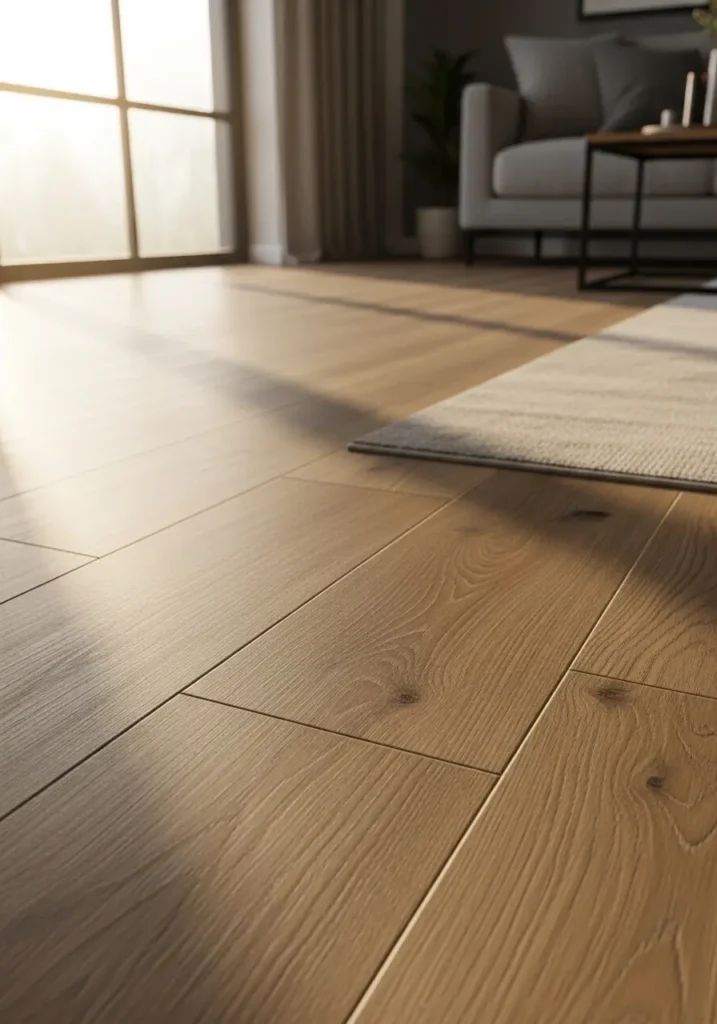
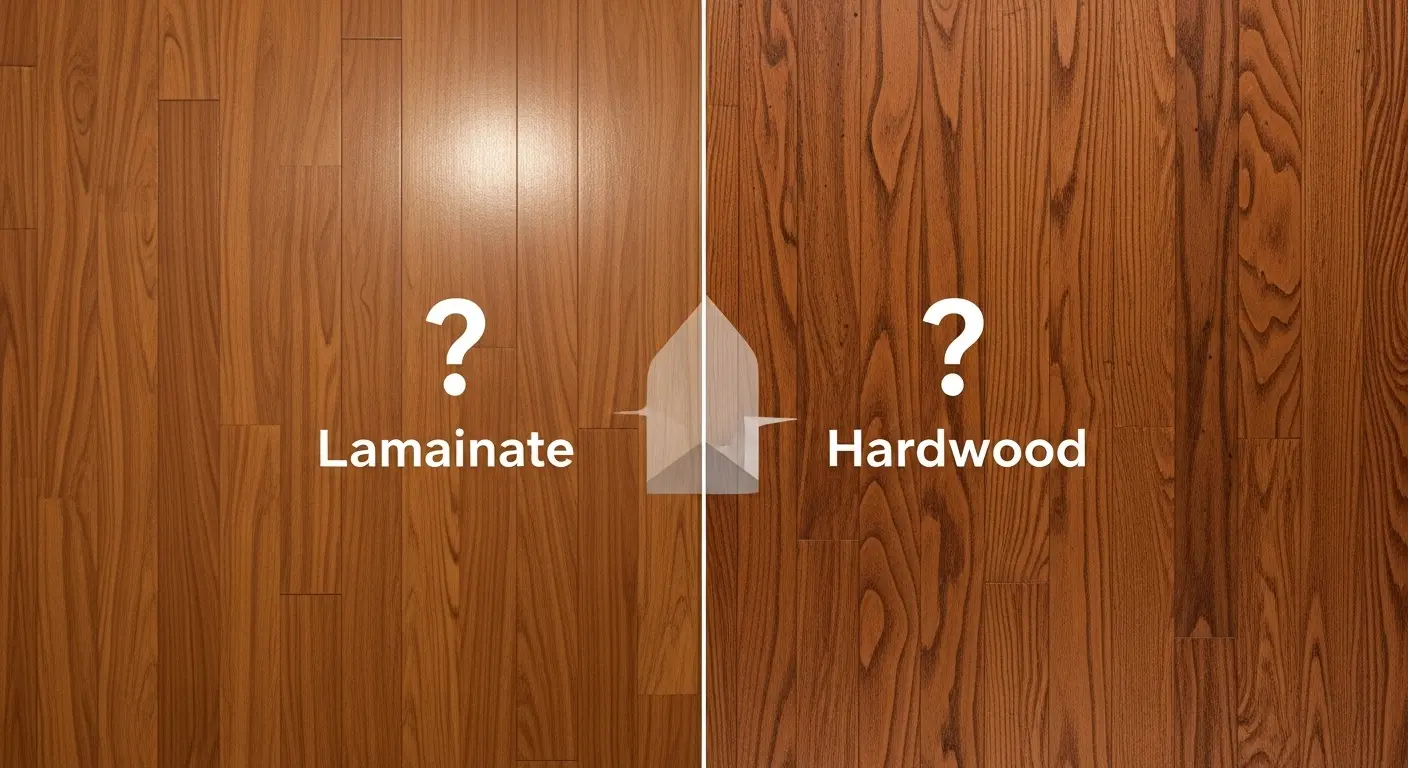
Laminate flooring has shed its reputation as a cheap-looking alternative to real wood, with current generation products delivering surprisingly convincing wood appearances at price points that make quality flooring accessible to budget-conscious Salisbury homeowners. This photographic-based flooring consists of a high-resolution image of wood grain printed on paper or film, protected by a tough transparent wear layer that provides durability and scratch resistance.
The technological improvements in laminate manufacturing have been remarkable. Where older laminate featured obviously repetitive patterns and flat, unconvincing appearance, modern products use multiple image variations to prevent noticeable pattern repetition across floors. Surface embossing synchronized with the printed grain pattern creates texture your fingers can feel, adding tactile realism that significantly enhances the wood-like impression. Edge profiling between planks mimics the bevels found on genuine wood boards, preventing the flat, obviously fake appearance of older laminate products.
Practical advantages make laminate particularly suitable for certain applications. The tough wear layer resists scratches, dents, and stains better than many genuine wood floors, making laminate excellent for high-traffic areas, homes with pets, or families with active children. Installation typically uses click-together systems requiring no glue or nails, creating floating floors laid over thin foam underlay. This straightforward installation keeps costs down while allowing for easy future replacement—simply disassemble the floor and install something different when tastes change or wear eventually occurs.
The limitations of laminate deserve honest acknowledgment. Despite improvements, close inspection still reveals laminate’s photographic nature—it lacks the subtle depth and light-refracting properties of genuine wood. Water resistance has improved dramatically, but laminate still performs poorly in truly wet environments like bathrooms, where moisture infiltrating joints causes irreversible swelling and damage. The hollow sound laminate can produce underfoot bothers some homeowners, though quality underlay significantly mitigates this acoustic issue.
Cost represents laminate’s most compelling advantage. Mid-quality laminate with convincing wood appearance typically costs £15 to £30 per square meter including installation, making it possible to floor a 25 square meter living area for £400 to £750. This affordability makes laminate ideal for rental properties, starter homes, or situations where budget constraints would otherwise force compromise on appearance. For Wiltshire homeowners seeking the wood-look aesthetic without substantial investment, quality laminate delivers surprisingly satisfactory results that can easily last 10 to 15 years with reasonable care.
8. Natural Stone: Timeless Luxury Underfoot
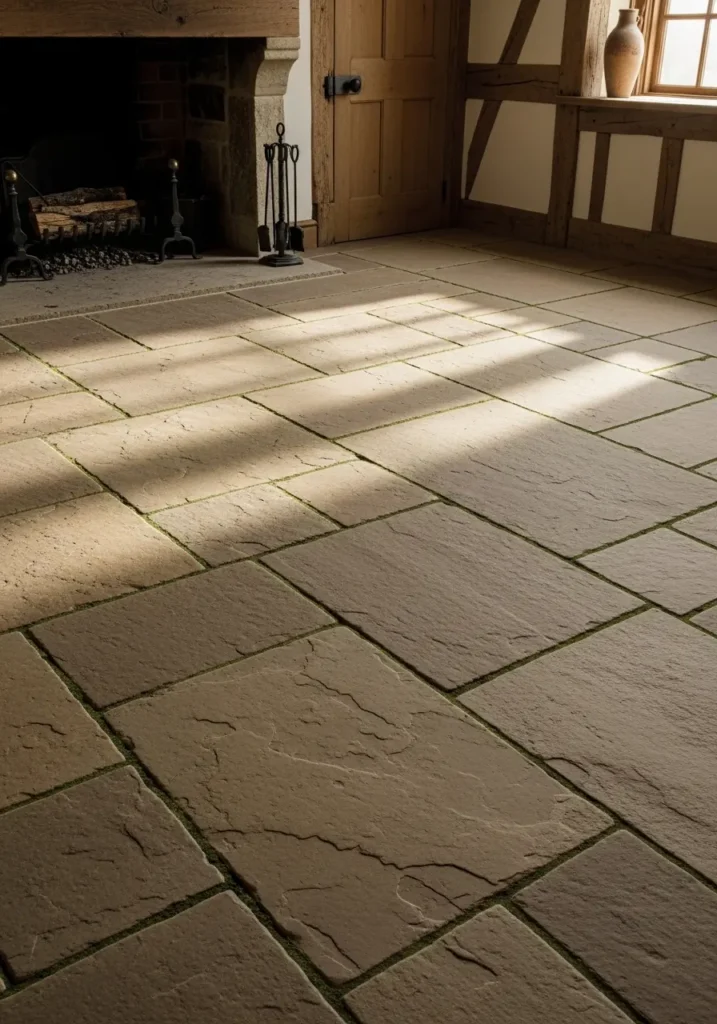
Natural stone flooring brings unparalleled character and authenticity to Salisbury homes, with each tile or slab representing a unique piece of geological history formed over millions of years. The inherent variations in color, veining, and texture mean no two stone floors ever look identical, creating genuinely one-of-a-kind surfaces that synthetic materials cannot replicate despite increasingly sophisticated manufacturing capabilities.
The variety within natural stone encompasses distinctly different aesthetic and practical characteristics. Slate brings rich, layered tones in charcoals, greens, and purples, with naturally riven surfaces creating rustic texture perfect for country-style kitchens and hallways. Limestone offers softer, more uniform coloring in creams and beiges, creating elegant, understated foundations for classic interiors. Travertine introduces distinctive pitting and natural voids that give Mediterranean character, working beautifully in bathrooms and conservatories. Marble represents ultimate luxury with dramatic veining and polished surfaces, though its softness makes it less practical for high-traffic areas than harder stones.
The practical performance of stone varies by type but generally includes exceptional durability and longevity. Properly installed and sealed stone floors can last generations, actually improving with age as traffic creates beautiful patinas on surfaces. Stone conducts heat efficiently, making it ideal for underfloor heating systems while remaining cool underfoot during warmer months—a genuinely appealing characteristic in well-insulated modern homes. The thermal mass of stone helps regulate indoor temperatures, absorbing heat during the day and releasing it gradually overnight.
Maintenance requirements demand consideration. All natural stone requires sealing to prevent staining, with resealing necessary every few years depending on traffic and stone type. Acidic substances like lemon juice or wine can etch softer stones like marble and limestone, requiring immediate cleanup. Despite these maintenance needs, many homeowners find the authentic beauty and lasting quality of stone worth the extra care. The cool, hard surface can feel uncomfortable in bedrooms but proves ideal in entrance halls, kitchens, and bathrooms where its practical advantages shine.
Investment in natural stone flooring ranges significantly based on stone type and tile size. Slate tiles professionally installed typically cost £50 to £80 per square meter, while premium marble can exceed £120 per square meter. For a 12 square meter kitchen, quality limestone or travertine installation might cost £800 to £1,200. The initial expense represents genuine investment—well-maintained stone flooring adds substantial value to properties while delivering decades of beautiful service, making it a wise choice for homeowners planning long-term residence in their Salisbury properties.
9. Cork Flooring: Sustainable Comfort for Eco-Conscious Homes
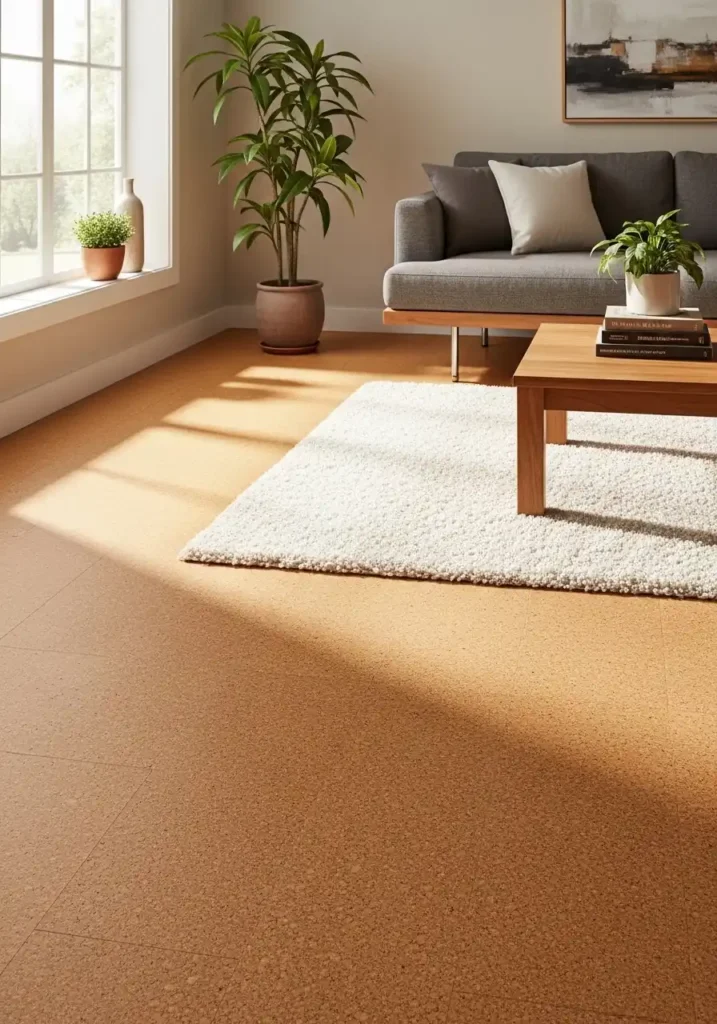
Cork flooring represents an increasingly popular choice among environmentally conscious Salisbury homeowners, harvested from cork oak bark without harming trees that continue growing and producing more cork. This renewable material offers unique properties that make it particularly suitable for specific applications, combining genuine sustainability with practical advantages that synthetic alternatives cannot match.
The sensory experience of cork proves remarkably pleasant. The material’s cellular structure creates natural cushioning that makes cork noticeably softer underfoot than hard materials, reducing fatigue during prolonged standing—a genuine benefit in kitchens where meal preparation keeps you on your feet. This same cushioning creates quiet floors that absorb sound rather than amplifying footsteps, making cork valuable in upstairs rooms where noise transmission to rooms below concerns residents. The natural warmth of cork makes it comfortable even without underfloor heating, creating inviting surfaces year-round.
Beyond comfort, cork delivers practical advantages. The material naturally resists mold, mildew, and insect infestation thanks to a waxy substance called suberin present in cell walls. This antimicrobial property makes cork particularly appropriate for allergy sufferers seeking healthier indoor environments. Cork’s insulating properties help maintain comfortable room temperatures while potentially reducing heating costs—the material naturally resists heat transfer, keeping warmth in during winter while remaining cool in summer.
Aesthetic considerations have evolved as manufacturing techniques improved. Early cork flooring featured obviously granular appearance, but current products include both traditional cork looks and wood-grain patterns created by adhering thin cork veneer to engineered cores, expanding design possibilities significantly. Natural cork colors range from honey-blonde to dark chocolate, with variations and patterns creating visual interest. Cork can be left in natural tones or stained to achieve specific color preferences, offering surprising design flexibility.
The limitations include susceptibility to damage from sharp objects and furniture indentation from concentrated weight, though proper furniture pads and reasonable care mitigate these concerns. Cork requires sealing to prevent moisture damage and periodic resealing to maintain protection. Despite these maintenance needs, properly cared-for cork floors last 10 to 25 years depending on traffic and care quality.
Installation costs for quality cork flooring typically range from £30 to £60 per square meter including professional fitting. For a 15 square meter bedroom, expect to invest £550 to £1,000 for cork installation. This positions cork as a mid-range investment that delivers unique benefits for homeowners prioritizing sustainability, comfort, and natural materials in their Wiltshire homes.
10. Polished Concrete: Industrial Chic Meets Practical Durability
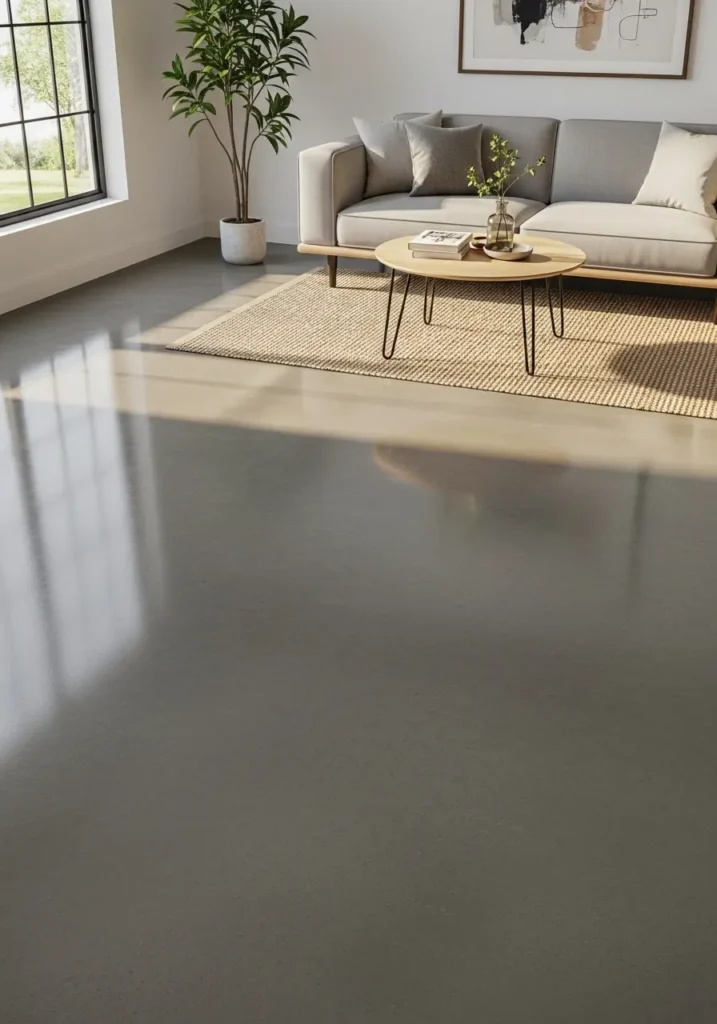
Polished concrete flooring has transitioned from purely industrial settings into residential interiors, bringing minimalist aesthetic appeal combined with unmatched durability to contemporary Salisbury homes. This flooring option involves grinding and polishing concrete surfaces to create smooth, reflective finishes that showcase the material’s inherent beauty while eliminating the dusty, rough character of ordinary concrete.
The visual appeal of polished concrete lies in its honest materiality and subtle variations. The polishing process reveals aggregates embedded in concrete—small stones that create natural patterning and visual interest across surfaces. Different aggregate colors and sizes produce varied appearances, from fine, uniform looks to more dramatic exposed-aggregate finishes. The level of polish determines surface reflectivity, ranging from matte finishes that hide imperfections to glass-like polishes that create mirror-like surfaces reflecting light throughout rooms.
Practical advantages make polished concrete increasingly attractive for modern living. The completely sealed, non-porous surface resists staining, requires minimal maintenance, and proves virtually indestructible under normal residential use. No grout lines exist to trap dirt or require cleaning. The thermal mass of concrete helps regulate indoor temperatures, absorbing warmth during the day and releasing it gradually—a valuable characteristic in passive solar designs. Compatibility with underfloor heating makes concrete comfortable even in traditionally cold rooms like bathrooms.
The industrial aesthetic suits contemporary and minimalist design schemes beautifully, creating calm, uncluttered foundations that allow furniture and decor to stand out. The reflective surface amplifies natural light, making rooms feel brighter and more spacious. Color can be introduced through integral pigments mixed into concrete before pouring or through acid stains that react with concrete to create variegated, natural-looking tones in earth colors.
Challenges include the cold, hard surface that some find uncomfortable and the unforgiving nature that makes dropped items likely to break. Sound reflection can create echo in sparsely furnished rooms, though area rugs and soft furnishings address this issue. The installation process requires expertise—poorly executed polished concrete shows every imperfection, while professional work creates beautifully uniform surfaces.
Cost varies significantly based on whether you’re polishing existing concrete slabs or pouring and finishing new floors. Polishing existing suitable concrete typically costs £40 to £70 per square meter, while new pours with polishing can reach £80 to £120 per square meter. For a 30 square meter open-plan living area, budget £1,500 to £3,000 for professional polished concrete installation. The investment creates distinctive, durable floors that require virtually no maintenance while delivering genuinely unique aesthetic character.
11. Reclaimed Wood: Character-Rich Sustainability
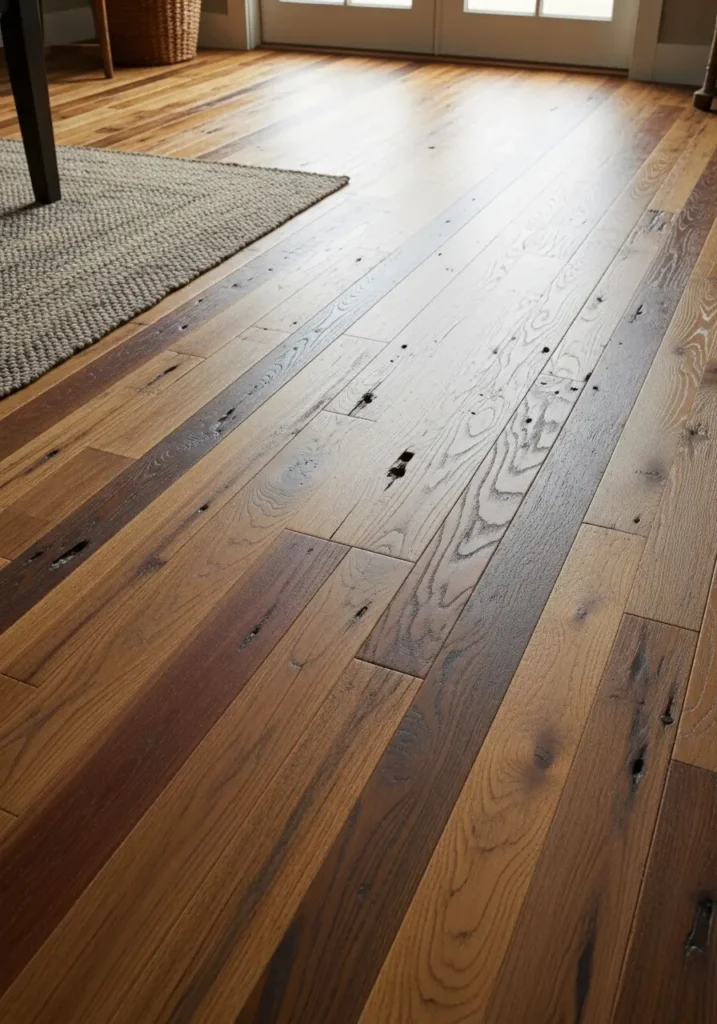
Reclaimed wood flooring brings unparalleled character to Salisbury homes, with each board carrying history and patina that new materials cannot replicate. Sourced from demolished buildings, old barns, wine barrels, or industrial structures, reclaimed wood delivers genuine sustainability while creating floors rich with the marks, variations, and weathering that only time produces.
The aesthetic appeal lies precisely in the imperfections modern manufacturing eliminates. Nail holes, saw marks, color variations, and the worn surfaces of reclaimed boards tell stories and create visual interest that makes floors feel established and authentic from the moment of installation. The dimensional stability of old-growth wood—tighter grain patterns resulting from slower growth—often exceeds modern lumber quality, while natural aging has already completed most shrinking and movement new wood undergoes over its first years.
Beyond character, reclaimed wood represents genuine environmental responsibility. Using existing materials prevents new tree harvesting while keeping quality wood from landfills. The carbon already embodied in old wood means no additional forestry operations, transportation of raw logs, or sawmill processing—substantially reducing environmental impact compared to new wood flooring. For eco-conscious homeowners, reclaimed wood delivers both aesthetic and ethical satisfaction.
Practical considerations include potential inconsistency in board dimensions, requiring more careful installation than standardized new materials. Old nail holes and imperfections need assessment to ensure structural soundness, with unsuitable sections discarded. The character that makes reclaimed wood appealing can prove too rustic for some design schemes, working beautifully in country cottages and industrial lofts but potentially clashing with ultra-modern minimalist interiors.
Costs reflect both the environmental value and the labor-intensive sourcing and preparation required. Reclaimed wood flooring typically costs £45 to £90 per square meter for materials, with installation adding £20 to £30 per square meter. For a 20 square meter living room, expect to invest £1,400 to £2,600 for quality reclaimed wood installation. The investment creates genuinely distinctive floors with sustainability credentials and character no manufactured product can match.
12. Bamboo: Fast-Growing Beauty for Modern Interiors
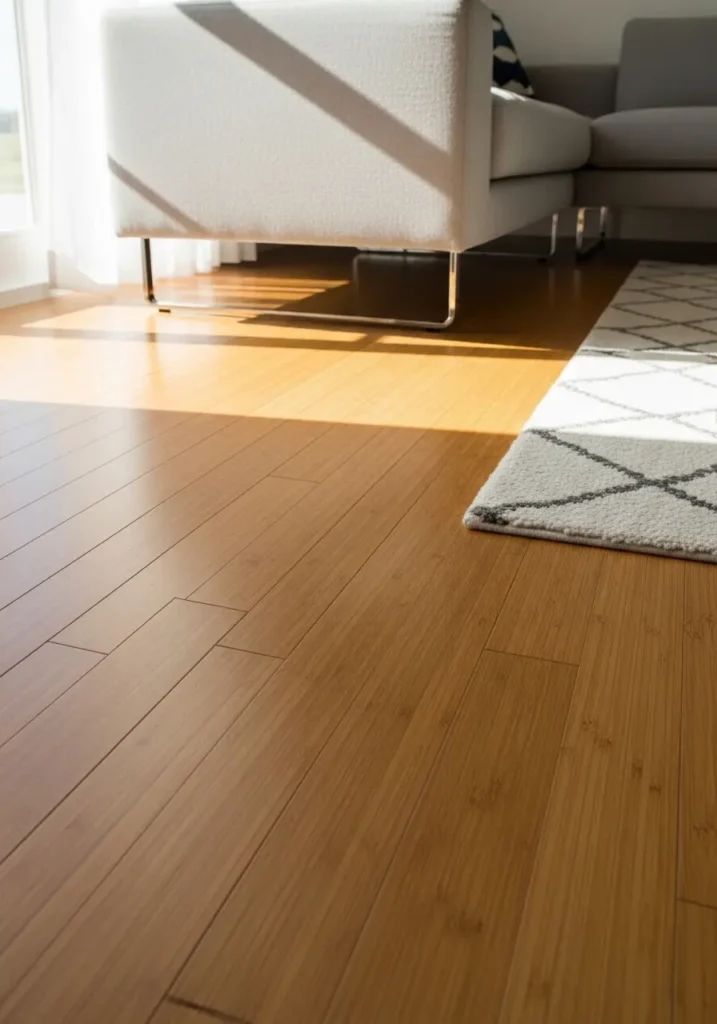
Bamboo flooring offers an intriguing combination of sustainability, durability, and distinctive appearance that makes it increasingly popular among environmentally conscious Salisbury homeowners seeking alternatives to traditional hardwood. Technically a grass rather than wood, bamboo grows remarkably quickly—reaching maturity in three to five years compared to decades for hardwood trees—making it genuinely renewable when properly managed.
The appearance of bamboo varies significantly based on manufacturing method. Horizontal grain bamboo showcases the plant’s distinctive knuckle patterns, creating surfaces with unique character that clearly announce their bamboo origins. Vertical grain bamboo arranges strips on edge, creating more subtle, striped appearance that resembles traditional wood more closely. Strand-woven bamboo compresses shredded bamboo fibers under extreme pressure, creating incredibly dense materials with more random grain patterns that can resemble exotic hardwoods.
Durability proves surprisingly impressive, particularly for strand-woven varieties that actually exceed many hardwoods in hardness ratings. This toughness makes bamboo suitable for high-traffic areas where softer woods might show wear more quickly. The dimensional stability of bamboo compares favorably with hardwood, though quality varies significantly between manufacturers—premium bamboo performs excellently while cheaper alternatives may warp, delaminate, or fade.
Environmental credentials require nuanced understanding. While bamboo grows rapidly and theoretically offers excellent sustainability, actual environmental impact depends heavily on manufacturing practices, adhesive formulations, and transportation distances. Bamboo shipped from Asia carries significant carbon footprint, while adhesives containing formaldehyde undermine health and environmental benefits. Seeking certifications ensuring responsible sourcing and low-VOC manufacturing helps ensure genuine sustainability.
The distinctive appearance suits contemporary and Asian-inspired design schemes beautifully but may appear out of place in traditional English country interiors. Color options range from natural blonde tones to carbonized darker browns achieved through heating processes, though the latter reduces hardness ratings somewhat.
Installation costs for quality bamboo typically range from £30 to £60 per square meter including professional fitting. For a 25 square meter living area, budget £900 to £1,800 for bamboo floor installation. This mid-range investment delivers distinctive appearance and legitimate environmental credentials for homeowners seeking alternatives to conventional flooring materials.
13. Rubber Flooring: Practical Comfort for Active Spaces
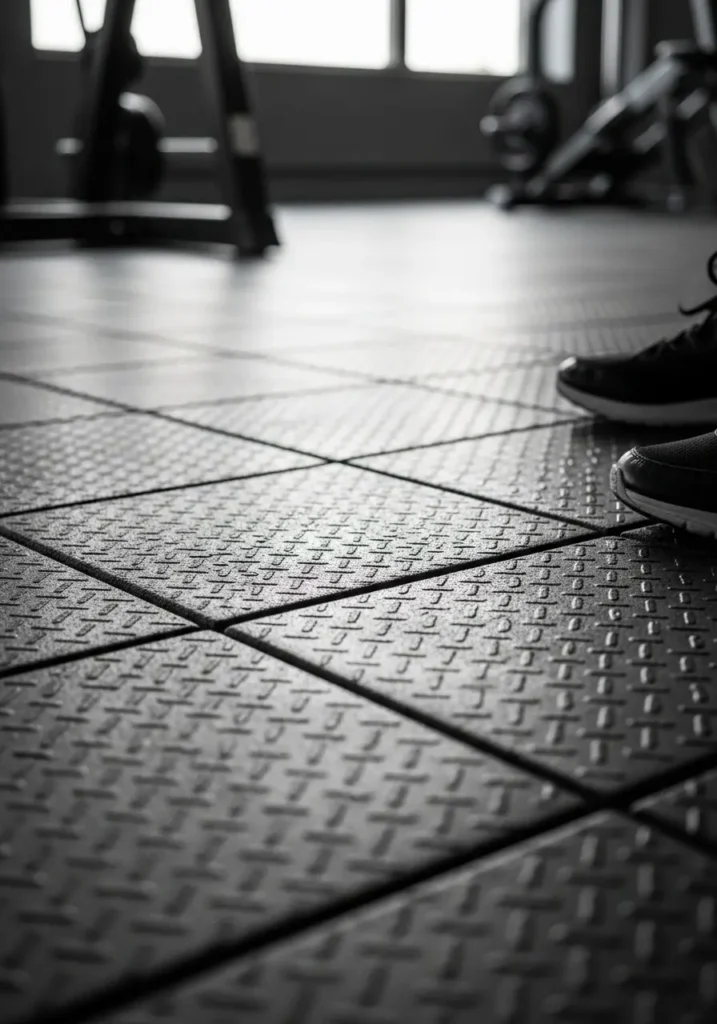
Rubber flooring extends beyond purely commercial or industrial applications, increasingly appearing in residential settings where its unique properties provide advantages conventional materials cannot match. Originally developed for high-performance environments requiring durability, cushioning, and safety, rubber brings these same benefits to home gyms, playrooms, mudrooms, and other active areas throughout Salisbury properties.
The primary advantages center on practical performance. Rubber provides excellent impact absorption, creating forgiving surfaces that reduce strain on joints during exercise while protecting floors from dropped weights and equipment. The slip-resistant surface maintains traction even when wet, making rubber valuable in mudrooms and utility areas where moisture regularly appears. Sound absorption properties create quieter environments—particularly valuable in upstairs exercise rooms where impact noise would otherwise disturb residents below.
Beyond performance, rubber offers surprising design flexibility. Available in tiles, rolls, or interlocking sections, rubber accommodates various installation approaches and room configurations. Color options extend far beyond basic black, with vibrant hues, subtle neutrals, and multi-color combinations allowing creative expression. Textured surfaces ranging from smooth to raised patterns provide additional slip resistance while creating visual interest.
Maintenance requirements remain minimal. Rubber resists most stains and cleans easily with simple mopping, requiring no special treatments or periodic refinishing. The durable material withstands heavy abuse without showing wear, maintaining appearance through years of hard use. For families with active children or dedicated exercise enthusiasts, this combination of durability and easy maintenance proves genuinely valuable.
The distinctive appearance and feel suit specific applications better than others. Rubber works beautifully in utilitarian spaces but might appear out of place in formal living areas. The material emits characteristic odor particularly when new, though this dissipates over time. Environmental considerations vary—rubber manufactured from recycled materials offers sustainability benefits, while virgin rubber carries larger environmental footprints.
Cost for quality rubber flooring typically ranges from £25 to £50 per square meter installed. For a 15 square meter home gym, expect to invest £450 to £900 for professional rubber floor installation. This represents excellent value for specialized spaces where rubber’s unique properties deliver benefits conventional flooring cannot provide.
14. Terrazzo: Artistic Durability Making a Contemporary Comeback
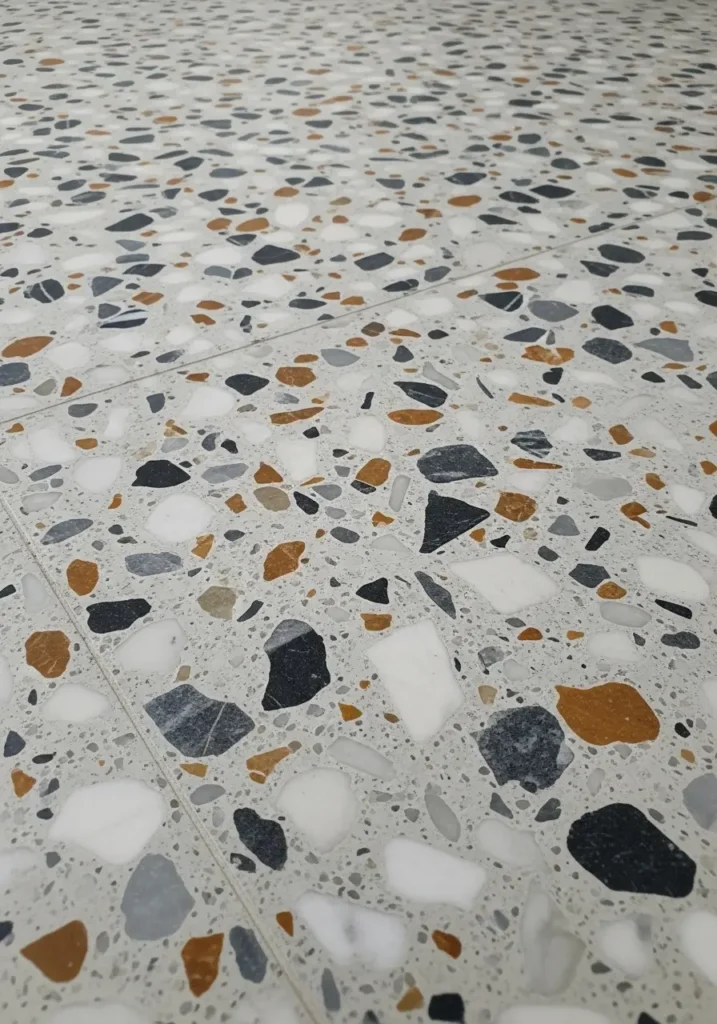
Terrazzo flooring has experienced remarkable renaissance, transitioning from its mid-century institutional associations into contemporary design darling embraced for both residential and commercial applications. This composite material combines chips of marble, granite, glass, or other materials set in cement or resin base, then ground smooth and polished to create surfaces that are simultaneously durable, distinctive, and endlessly customizable.
The aesthetic possibilities prove virtually limitless. Chip size ranges from fine confetti creating subtle texture to large fragments producing bold, graphic appearance. Color combinations span from neutral monochromatic schemes to vibrant multi-hue compositions creating genuine artwork underfoot. Modern resin-based terrazzo allows incorporation of non-traditional materials including mirror, shell, and even recycled content, expanding creative possibilities beyond traditional stone chips. The resulting floors become genuine design statements that express individual personality while maintaining timeless appeal.
Practical advantages include exceptional durability—properly installed terrazzo lasts decades or even centuries, with numerous examples of century-old terrazzo floors still performing beautifully. The non-porous polished surface resists staining, requires minimal maintenance, and never needs waxing or coating. Terrazzo works beautifully with underfloor heating and remains cool in warm weather, providing natural temperature regulation. The seamless installation creates hygienically smooth surfaces without grout lines harboring bacteria.
Traditional cement-based terrazzo requires skilled installation, with the in-situ pouring and grinding process demanding expertise and creating significant mess and noise during installation. Modern resin-based terrazzo simplifies installation somewhat, available in tiles that reduce on-site work while maintaining much of traditional terrazzo’s visual appeal. The weight of traditional terrazzo requires structural assessment for upper-floor installations, though lightweight resin alternatives address this limitation.
Cost reflects the specialized nature and lasting quality of terrazzo. Tile-based terrazzo typically costs £60 to £100 per square meter installed, while custom poured terrazzo can exceed £120 per square meter. For a 12 square meter entrance hall, budget £900 to £1,500 for terrazzo tile installation. The investment creates genuinely distinctive, virtually indestructible floors that age beautifully while requiring minimal maintenance over their exceptionally long lifespans.
15. Hybrid Flooring: Innovation Meeting Practicality
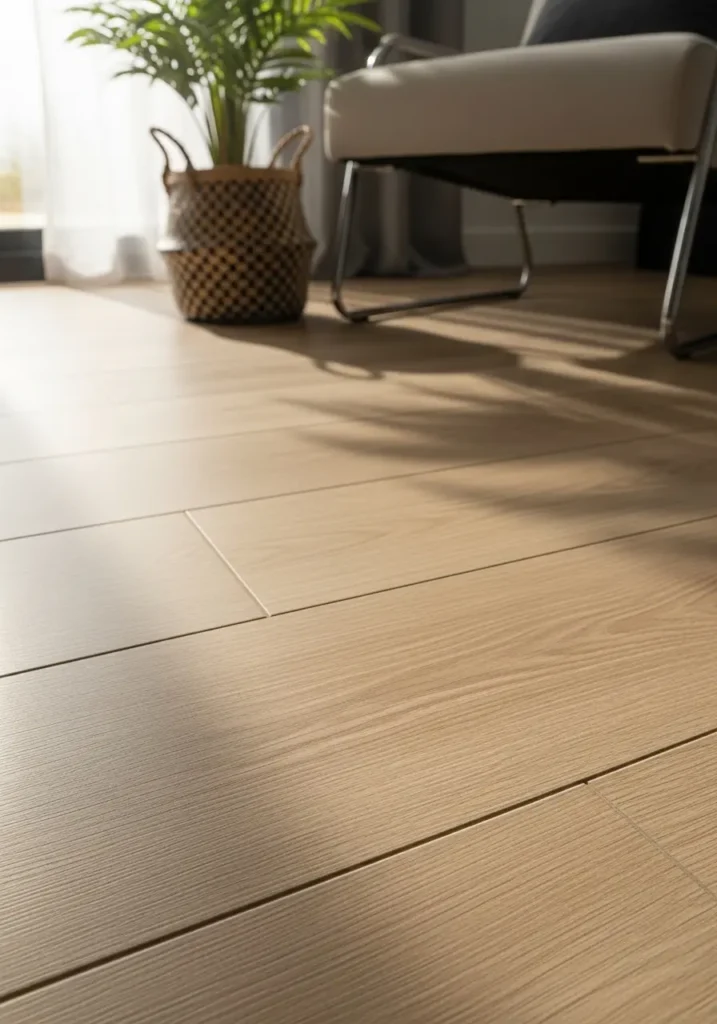
Hybrid flooring represents the newest category in flooring technology, combining advantages of laminate and luxury vinyl to create products that potentially offer the best of both worlds. This engineered solution typically features rigid composite cores incorporating wood plastic composite or stone plastic composite, topped with photographic vinyl wear layers that create wood, stone, or tile appearances.
The technical innovation addresses weaknesses in both laminate and standard vinyl products. The rigid core provides dimensional stability superior to traditional vinyl, preventing the waviness that can appear when vinyl flooring follows subfloor imperfections. This stability allows installation over less-than-perfect subfloors without telegraphing imperfections through finished surfaces.
Water resistance represents hybrid flooring’s standout feature, with completely waterproof cores and wear layers that handle moisture far better than laminate while maintaining dimensional stability that standard vinyl sometimes lacks. This makes hybrid flooring ideal for kitchens, bathrooms, basements, and other moisture-prone areas throughout Salisbury homes. The rigid construction also accommodates underfloor heating better than traditional vinyl, conducting heat efficiently while remaining dimensionally stable under temperature fluctuations.
Installation follows similar click-lock systems used for laminate, creating floating floors that require no adhesive. The rigid core reduces noise and hollow sound that bothers some homeowners with standard vinyl, creating more solid feel underfoot. The wear layer technology provides scratch and stain resistance exceeding many competitors, with protective coatings maintaining appearance through years of family living, pet traffic, and general household abuse.
Aesthetic options mirror those available in luxury vinyl, with photographic wood grain patterns, stone effects, and even concrete looks providing design flexibility. Surface texturing synchronized with printed patterns creates convincing tactile realism that enhances the authentic appearance. The technology continues evolving rapidly, with manufacturers introducing increasingly sophisticated products that blur boundaries between hybrid flooring and natural materials.
Cost positioning falls between laminate and premium vinyl, typically ranging from £25 to £45 per square meter installed. For a 20 square meter kitchen, expect to invest £600 to £1,100 for quality hybrid flooring installation. This represents excellent value for homeowners seeking waterproof performance, easy maintenance, and contemporary appearance without the expense of natural materials or tile installation.
Choosing the Right Flooring for Your Salisbury Home
Selecting from these fifteen flooring options might feel overwhelming, but understanding your priorities helps narrow choices effectively. Consider how each room functions, who uses the space, and what practical demands the flooring must meet. High-traffic hallways require durability that might be excessive in spare bedrooms. Moisture-prone kitchens need water resistance that dry living rooms don’t require. Rooms with underfloor heating benefit from materials that conduct heat efficiently.
Budget naturally influences decisions, but remember that flooring represents long-term investment. The cheapest initial option rarely proves most economical over time if early replacement becomes necessary. Consider lifespan and maintenance costs alongside purchase price durable materials requiring minimal maintenance often cost less overall than cheaper alternatives needing regular attention or premature replacement.
Design preferences deserve equal consideration. Your flooring creates the foundation for entire room aesthetics, influencing how furniture appears, how natural light behaves, and how the space feels emotionally. Materials should complement your overall design vision while allowing flexibility as tastes evolve and decor changes over years.
Professional guidance proves invaluable when making these important decisions. At Ana Painting and Decorating, we’ve installed every type of flooring throughout Salisbury and Wiltshire properties, gaining expertise about what works well in different applications, how various materials perform long-term, and which products offer genuine value versus those that disappoint. We’re happy to discuss your specific situation, assess your space, and recommend options that align with your practical needs, aesthetic preferences, and budget realities.
Professional Installation: The Difference That Matters
The quality of installation often determines whether flooring performs as intended or disappoints within months. Even premium materials fail when improperly installed, while professional craftsmanship ensures budget-friendly options deliver their full potential. Proper subfloor preparation, precise cutting and fitting, appropriate underlayment selection, and correct finishing techniques all contribute to results that look beautiful and last for years.
DIY installation might seem attractive for cost savings, but flooring requires specialized tools, techniques, and experience that most homeowners lack. Mistakes made during installation—improper acclimatization, inadequate expansion gaps, poor adhesive application, or incorrect subfloor preparation—often don’t become apparent until weeks or months later, by which time warranty coverage may be compromised and repairs prove expensive.
Professional installers bring expertise gained through hundreds of similar projects. We understand how different materials behave, how Wiltshire’s climate affects installation requirements, and how to address common challenges before they become problems. We carry proper insurance protecting your property, use appropriate tools ensuring precision, and stand behind our work with guarantees that provide genuine peace of mind.
Transform Your Salisbury Home with Expert Flooring Solutions
Whether you’re drawn to the warmth of natural wood, the practicality of luxury vinyl, the distinctive character of reclaimed materials, or the contemporary appeal of polished concrete, the right flooring transforms your Wiltshire home while delivering years of reliable performance. At Ana Painting and Decorating, we combine expertise in flooring installation with our comprehensive painting, decorating, plastering, and tiling services to create cohesive, beautiful interiors that reflect your personal style and enhance your daily living.
Don’t let flooring decisions overwhelm you or settle for compromise when your home deserves better. Contact Ana Painting and Decorating today for a free consultation where we’ll discuss your specific needs, assess your space, and recommend flooring solutions that align perfectly with your vision and budget. Let’s create beautiful foundations for your Salisbury home spaces you’ll love living in for years to come.